
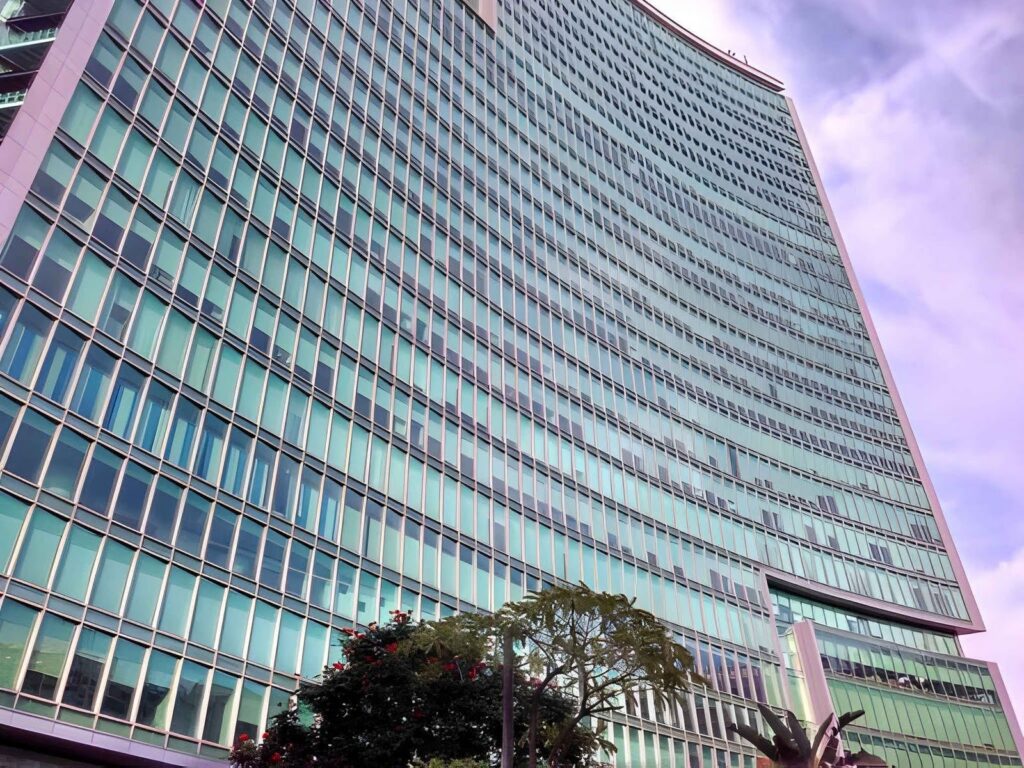
When developing premium property in Sydney or Melbourne, securing the right operational partner is a critical decision that impacts the long-term success of the asset. Many building owners and developers in Australia do not realise that commercial facilities management and residential or mixed-use facilities management require fundamentally different expertise. Operating a corporate office tower in the central business district is simply not the same as managing a high-end residential precinct in the suburbs. The underlying systems, service cultures, and compliance obligations are worlds apart.
Treating all facilities management as a one-size-fits-all solution is a common pitfall. A “copy and paste” approach can lead to resident dissatisfaction, mismanaged budgets, and accelerated asset depreciation. This article breaks down the structural differences between managing a commercial space versus a premium residential asset, highlighting why appointing a specialist provider delivers measurably better outcomes.
The Core Differences at a Glance
At the most basic level, the difference lies in the ultimate purpose of the building. A commercial office building is a workplace. The primary goal is to ensure a safe, productive, and efficient environment for businesses to operate. This environment functions on a highly predictable schedule, typically operating within standard Monday to Friday business hours.
Conversely, a premium residential or mixed-use precinct is a living space. It is a home, a personal sanctuary, and a highly active 24-hour community. The expectations of residents are inherently more personal and emotionally driven than those of a corporate tenant. Furthermore, mixed-use developments introduce complex shared zones where retail footprints intersect with private residential lobbies. This fundamental shift in purpose demands a completely different approach to building management services.
Compliance Obligations and Risk Mitigation
The regulatory landscapes for commercial and residential buildings in Australia are highly distinct, demanding specialised knowledge to navigate successfully. Commercial properties are heavily regulated by occupational health and safety standards tailored to workplaces, alongside complex commercial lease agreements.
However, residential and mixed-use strata schemes in New South Wales and Victoria face a unique set of legislative requirements. Residential managers must possess a deep understanding of complex strata laws, owners corporation regulations, and specific residential tenancy compliance. They must know how to properly manage sinking funds, run annual general meetings, and enforce residential by-laws legally and tactfully.
A generalist provider accustomed to commercial compliance often lacks the nuanced understanding required to navigate residential strata committees and the specific dispute resolution processes inherent to residential living. This lack of specialisation can expose developers and owners corporations to significant legal and financial risks, particularly during the critical post-completion defect liability period.
Occupant Expectations and Service Culture
Service culture is arguably the most noticeable area where commercial facilities management diverges from residential operations. In a commercial setting, interactions are professional, highly transactional, and focused strictly on business continuity. If an elevator requires maintenance in an office tower, the priority is simply minimising disruption to the morning corporate rush.
In a residential setting, the service culture must mirror premium hospitality. The industry is seeing a rapid “hotelification” of residential spaces. Building managers and concierge staff become integrated into the residents’ daily lives. They handle personal parcel deliveries, manage private dining room bookings, coordinate pet care logistics, and address noise complaints with absolute discretion and tact.
The standard for residential building management services requires high emotional intelligence and a hospitality-driven mindset. A corporate FM provider often struggles to adapt their rigid personnel to the highly personalised demands of premium residential living. When commercial protocols are applied to residential communities, the result is often a sterile environment that lacks the warmth and responsiveness that premium Australian property buyers expect.
Maintenance Rhythms and Lifecycle Management
Maintenance scheduling highlights another critical divergence between the two sectors. Commercial buildings experience highly predictable usage patterns, with peak loads occurring during daytime business hours. This predictability allows facilities managers to schedule intrusive preventative maintenance, such as heavy HVAC servicing or intensive deep cleaning, during evenings or weekends when the building is entirely empty.
Residential and mixed-use precincts do not offer this luxury. A residential tower is occupied and active 24 hours a day, seven days a week. Weekends are consistently the busiest periods for building amenities like resort-style pools, gymnasiums, and rooftop barbecue areas. Maintenance must therefore be orchestrated with surgical precision to avoid disrupting residents who are working from home, sleeping, or entertaining guests. Specialist residential providers understand how to sequence this maintenance in a way that respects the sanctuary of the home environment without compromising on asset upkeep.
ESG Reporting and Technology Requirements
Environmental, Social, and Governance reporting is becoming mandatory across all Australian asset classes, but the frameworks differ significantly. Commercial facilities management often relies on established frameworks like NABERS and Green Star performance ratings, focusing heavily on base building energy, water efficiency, and corporate tenant alignment.
Residential ESG requires a much more community-focused approach. It involves managing complex waste sorting systems for hundreds of individual households, promoting sustainable community behaviours, and managing complex electric vehicle charging infrastructure in shared basement parking facilities.
Furthermore, the technology stack is entirely different. Commercial properties utilise enterprise-grade Building Management Systems designed for facility managers. Premium residential precincts require intuitive resident applications that integrate smart home technology, parcel lockers, amenity bookings, and direct communication with the management team. Generalist providers often try to force clunky commercial software onto residential communities, resulting in poor user adoption and widespread frustration.
The Risk of the Generalist and the Value of Specialisation
For property developers in Sydney and Melbourne, appointing a generalist commercial FM provider for a high-end residential or mixed-use asset presents a substantial risk to brand reputation. Strata committees quickly become frustrated by inflexible communication styles and a lack of transparency regarding residential-specific issues. This mismatch can damage the developer’s legacy and lead to the premature and costly termination of management contracts by the owners corporation.
This is precisely why specialisation matters. A specialist understands the distinct heartbeat of a residential precinct. They know how to foster a genuine sense of community, navigate intricate strata politics, and maintain complex shared amenities to a consistent resort standard.
Partnering with a dedicated expert like National Facilities Management ensures that your asset receives the bespoke care it deserves. National Facilities Management has built its reputation on understanding the unique demands of mixed-use and premium residential developments across Australia. We do not apply generic commercial templates to residential homes. Instead, we deploy specialist teams trained specifically in hospitality-grade service, current strata legislation, and residential asset lifecycles.
Our approach guarantees that our building management services elevate the resident experience, protect the physical asset’s value, and safeguard the developer’s vision long after the final settlement. By choosing a tailored approach over a generalist provider, building owners ensure long-term operational success, compliance, and total resident satisfaction.
If you are developing a premium residential or mixed-use precinct and want to ensure your asset is managed by true specialists, we are ready to assist. To discuss how our bespoke operational strategies can add tangible value to your next project, please contact us today.