
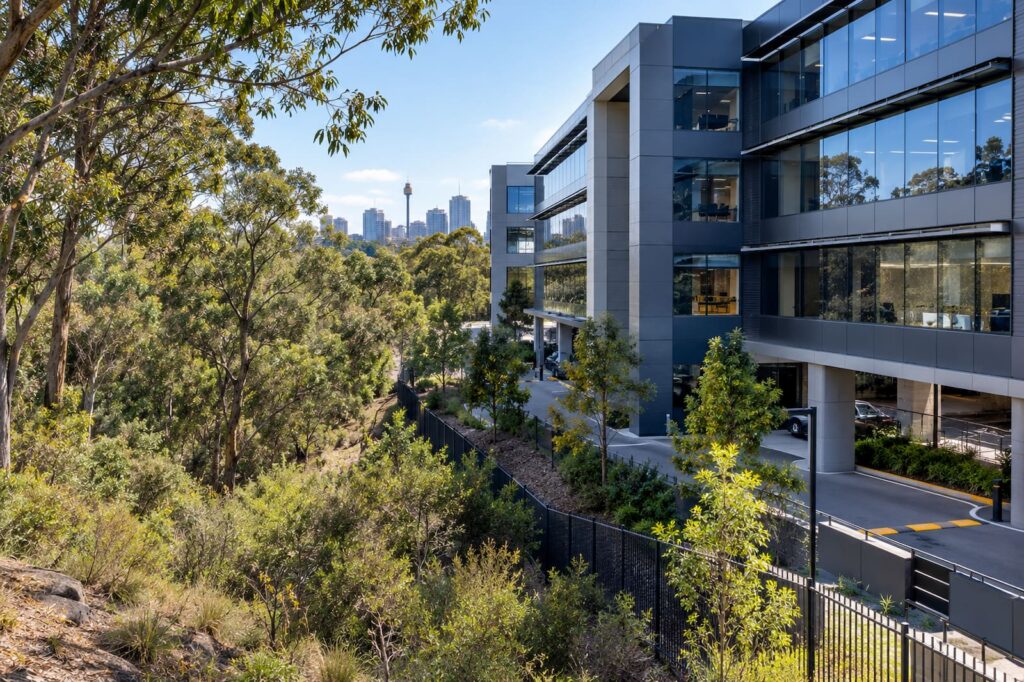
Why Bushfire Season Is a Facilities Management Issue, Not Just a Home Safety One
Bushfire risk in Sydney rarely means flames licking at a CBD tower. For commercial, strata and high rise buildings, the real impact tends to show up in smoke haze that affects air quality for weeks at a time, extra demand on mechanical plant working to filter it out, and closer attention to fire and essential safety systems from regulators, insurers and tenants alike. The buildings that come through the season well are the ones that treat preventative maintenance as a year round program, not a pre summer scramble, something we cover in more detail on our High rise facilities management page.
What’s at Risk if a Building Isn’t Prepared
Buildings that haven’t done this groundwork face risk on a few fronts:
- Fire safety measures that fall out of compliance, which can mean penalties and a failed Annual Fire Safety Statement
- Air handling systems that draw in smoke and ash, affecting tenant comfort and health
- Backup generators that haven’t been load tested recently, which is easy to pick up and fix through regular testing rather than finding out during an actual outage
- Vegetation, stored materials or access points that haven’t been checked, which can affect fire egress and emergency vehicle access
- Flow on effects for tenants and residents if essential services aren’t running smoothly
- Insurers increasingly asking for evidence that essential services are properly maintained, which is straightforward to provide when maintenance is already up to date
A Pre-Summer Building Checklist for Sydney Property Owners
A clear checklist makes bushfire season preparation straightforward. Here’s where to start.
Fire Safety and Essential Services
- Confirm all essential fire safety measures are tested, tagged and within their assessment cycle
- Check fire pumps, sprinkler systems and hydrants are operating at correct pressure
- Review the building’s Annual Fire Safety Statement status and address any outstanding items
- Test emergency lighting and exit signage throughout common areas and plant rooms
Grounds, Vegetation and Site Access
- Clear vegetation, mulch and combustible material away from the building perimeter and plant rooms
- Confirm fire trail and emergency vehicle access is clear and unobstructed
- Check that loading docks and storage areas aren’t creating fuel loads against external walls
HVAC and Air Quality
- Replace or service air handling filters before smoke haze season arrives
- Check outdoor air intake positioning and damper operation
- Review indoor air quality monitoring where it’s in place, particularly for commercial tenancies
Emergency and Business Continuity Planning
- Load test backup generators and confirm fuel supply arrangements
- Update evacuation and emergency response plans with current contact details
- Brief building staff, concierge or committee members on procedures for smoke or heat related incidents
A building that ticks every one of these boxes isn’t just safer. It’s also in a far stronger position with insurers, tenants and regulators.
Why Proactive, Data Driven Maintenance Makes the Season Easier
A fixed maintenance schedule applied regardless of a system’s actual condition can mean small problems go unnoticed between visits. Sensor based monitoring takes a different approach: a fire pump or generator running outside its normal range is flagged early, well before a heat event or smoke haze puts real demand on it. Live dashboards give owners and committees current visibility into the status of critical systems at any time, not just after a scheduled inspection. It’s the difference between a building that looks prepared on paper and one that’s genuinely ready when the season arrives.
How National Facilities Management Prepares Sydney Buildings for Bushfire Season
National Facilities Management has worked across Sydney, Melbourne and Brisbane for more than 40 years, and bushfire season preparation is built into day to day operations rather than treated as a seasonal extra. Two things underpin this approach:
1. NFM directly employs its core facilities management teams, so the people managing your building day to day are trained to our standards and accountable to us directly. For specialist trades such as fire protection and mechanical services, we engage qualified contractors under the same quality and compliance standards, consistent with what’s set out in our tender documentation.
2. Planned preventative maintenance is paired with predictive data and sensor based insights, so issues are picked up and resolved well before they become compliance failures or safety incidents.
Frequently Asked Questions
When does the NSW Bush Fire Danger Period start?
The Bush Fire Danger Period officially begins on 1 October across most of NSW, though the NSW Rural Fire Service can declare an earlier start in specific areas. We recommend treating September as the window to get preparation done, well ahead of any local declaration.
Do commercial and strata buildings actually need a bushfire plan, or is that just for houses?
Commercial, strata and high rise buildings carry their own legal obligations around essential fire safety measures, evacuation planning and WHS duty of care, separate from residential bushfire preparation. A facilities management partner can build this readiness into your maintenance program well before the season starts.
What’s the difference between preventative maintenance and routine maintenance?
Routine maintenance follows a fixed schedule regardless of a system’s actual condition. Preventative maintenance uses inspection, testing and sensor data to identify and resolve issues before they cause a failure, which is a more reliable way to manage essential services heading into bushfire season.
What does it cost to get a building bushfire ready?
Cost depends on the building’s size, age and maintenance history, so we start with a site assessment to scope exactly what’s needed. Proactive preparation is typically a modest cost compared to an essential services failure or a compliance breach, and it gives owners and committees confidence heading into summer.
Get Your Building Ready Before the Season Turns
Bushfire season preparation is easiest to manage when it starts early, with time to work through a clear checklist rather than respond under pressure. National Facilities Management works with owners and committees across Sydney, Melbourne and Brisbane to keep buildings compliant, safe and genuinely prepared, backed by more than 40 years of experience and a team that’s trained, accountable and ready.
Contact us to arrange a pre-summer building assessment.