
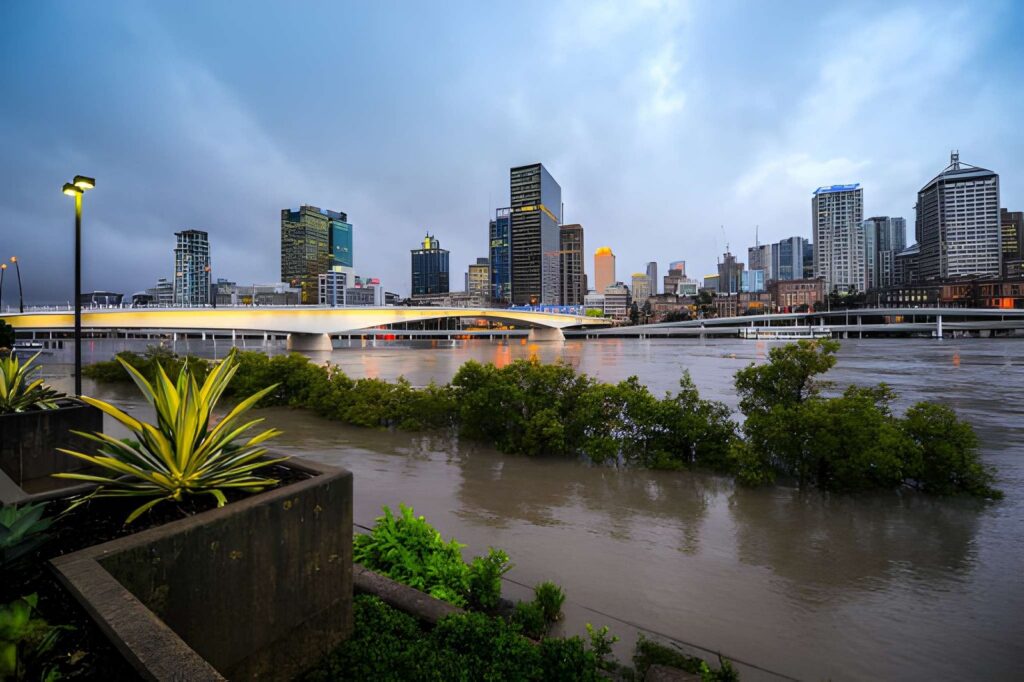
Why Storm Season Is a Serious Facilities Management Issue in Brisbane
Brisbane and South East Queensland’s storm season isn’t a single event to brace for. It’s a pattern of severe thunderstorms, hail, heavy rainfall and occasional cyclonic activity that plays out over several months. Buildings that come through this period without major incident are usually the ones that treat preventative maintenance and essential services management as an ongoing program, not a once a year task, as outlined on our Commercial facilities management
What’s at Risk if a Building Isn’t Storm Ready
Most storm damage in commercial and strata buildings isn’t caused by one dramatic event. It’s usually the result of small, preventable weaknesses, a blocked drain, a worn seal, an ageing generator, that are picked up during regular inspection rather than left to be discovered during a storm. Keeping on top of these details reduces risk across several areas:
- Roof and facade wear that can lead to water ingress, tenant disruption and costly make good work if left unaddressed
- Stormwater drainage that needs clearing or upgrading to handle heavy rainfall without flooding car parks, basements or plant rooms
- Backup power systems that benefit from regular testing, so they perform reliably during grid outages
- Loose signage, awnings or stored materials that are worth securing ahead of high wind conditions
- Flow on effects for tenants if water damage disrupts day to day operations
- Insurers increasingly asking for documented maintenance evidence as part of storm related claims
None of this requires a cyclone to make landfall. A single severe thunderstorm cell is often enough to expose gaps that should have been closed months earlier.
A Pre-Storm Season Checklist for Brisbane Property Owners
This is the checklist we run through with commercial, strata and high rise clients across Brisbane before the storm season sets in.
Roofing, Drainage and Facade
- Clear roof drains, gutters, downpipes and stormwater pits of leaves and debris
- Inspect roof membranes, flashing and facade sealant for wear before the first heavy rain
- Check basement and car park sump pumps are operating and alarmed correctly
Essential Services and Backup Power
- Load test generators and confirm automatic transfer switches are functioning
- Check fuel supply arrangements and refuelling contracts are current
- Test fire and essential safety systems that depend on backup power during outages
Site and Structural Safety
- Secure or remove loose signage, awnings, scaffolding and stored materials
- Inspect trees and vegetation on site for storm risk to buildings, car parks and pedestrian areas
- Confirm emergency lighting and exit paths remain functional during a power outage
Emergency and Business Continuity Planning
- Update the building’s storm and emergency response plan with current contacts
- Brief building staff, concierge or committee members on shutdown and evacuation procedures
- Confirm communication plans for tenants and residents ahead of severe weather warnings
A building that works through this checklist properly isn’t just better protected. It is also in a far stronger position when it comes time to lodge an insurance claim.
Why a Data Driven, Proactive Approach Matters More in Storm Season
A backup system that hasn’t failed yet isn’t necessarily a system that’s ready to perform. Sensor based monitoring of essential plant and backup power can flag irregular performance early, well before a storm puts real demand on it, and live dashboards give owners and committees current visibility into how these systems are tracking. A stormwater pump monitored this way, for example, gets flagged and serviced in good time, well ahead of a heavy downpour, rather than needing attention once water is already rising in a basement car park. High rise and build to rent buildings have even more at stake here, since a single essential services issue can affect a large number of residents or tenants at once, which is exactly why this kind of proactive monitoring matters.
How National Facilities Management Prepares Brisbane Buildings for Storm Season
National Facilities Management has been protecting building performance across Brisbane, Sydney and Melbourne for more than 40 years, and storm preparation is part of year round operations rather than a last minute task. Two things underpin this approach:
1. NFM directly employs its core facilities management teams, so the people managing your building day to day are trained to our standards and accountable to us directly. For specialist technical services such as generators, fire safety and mechanical systems, we engage qualified contractors under the same quality and compliance standards, consistent with what’s set out in our tender documentation.
2. This is paired with planned preventative maintenance supported by predictive data, so potential issues are identified and addressed well ahead of the season’s peak.
Frequently Asked Questions
When does storm season officially start in South East Queensland?
Severe thunderstorm activity typically increases from around October, and the official cyclone season runs from 1 November to 30 April. We recommend having storm preparation completed by late September or early October, well ahead of the season building up.
Do strata and commercial buildings need a specific storm plan, or does general maintenance cover it?
General maintenance doesn’t always address storm specific risks such as stormwater capacity, backup power reliability and facade sealing. A dedicated storm readiness plan looks at these systems specifically ahead of the season, so nothing is left to chance.
What’s the most common cause of storm damage claims for commercial buildings?
Water finding its way in through blocked drainage, ageing roof seals or stormwater systems reaching capacity is the most common, and also the most preventable, cause of storm related claims.
How does National Facilities Management help buildings recover if a storm does cause damage?
Alongside preparation, our teams can assess any damage quickly, coordinate the right trades for repairs, and help restore essential services, using the same data driven approach we apply to day to day management.
Is storm preparation something a building manager can handle alone, or does it need a facilities management company?
A building manager can take care of routine upkeep, but storm readiness spans several trades, from roofing to backup power to drainage. A multi disciplinary facilities management company coordinates these under one plan, which takes the pressure off owners and committees heading into the season.
Get Your Building Storm Ready Before the Season Peaks
Storm season preparation is far easier to manage with some lead time, working through essential services, drainage and backup power while there’s no weather pressure on the clock. National Facilities Management works with owners and committees across Brisbane, Sydney and Melbourne, backed by more than 40 years of experience and a team that’s trained, accountable and ready.
Contact us to arrange a pre-storm season building assessment.