
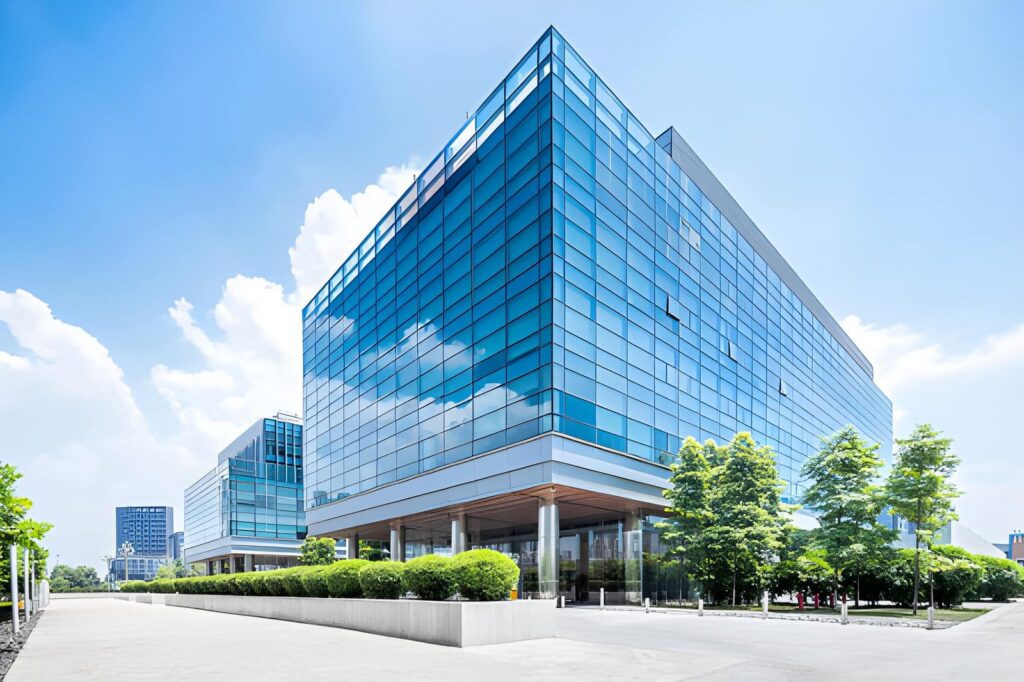
Every developer reaches the same point eventually. The building is designed, financed, and under construction, and now someone has to decide who’s going to run it once the keys are handed over. That decision gets made under time pressure more often than it should, and a lot of developers sign a facilities management contract based on a glossy proposal without asking the questions that actually predict how the relationship will perform.
Facilities management in Sydney, Melbourne, and Brisbane has no shortage of providers willing to pitch for the work. Fewer of them can back the pitch up once they’re on site. Here are ten questions worth asking before you sign, and why each one matters more than it might first appear.
1. Are your staff directly employed, or subcontracted?
This is the single biggest predictor of service consistency in commercial facilities management, and it’s the question most developers don’t think to ask. A provider that relies on subcontractors is reselling someone else’s labour, with someone else’s training standards, someone else’s turnover, and someone else’s priorities. When something goes wrong at 11pm on a Friday, you want to know exactly who’s responding and what standard they’ve been trained to.
Directly employed teams cost more to run, which is exactly why so many providers avoid the model. It’s also why the ones who commit to it tend to deliver a more consistent, more accountable service across every building in a portfolio.
2. What does your WHS and compliance framework actually look like?
Every provider will tell you they’re compliant. Ask to see it. A serious building management services provider should be able to walk you through their WHS management systems, how they track Annual Fire Safety Statements and essential services certification, how site audits and inspections are scheduled, and how defects get identified, escalated, and closed out.
Compliance failures in commercial and high-rise buildings aren’t abstract risks. They show up as regulatory penalties, insurance disputes, and in the worst cases, safety incidents that could have been prevented with a properly resourced compliance program.
3. What technology platform do you use, and what does it actually show me?
Ask for a live demonstration, not a screenshot in a pitch deck. A modern facilities management contractor should be able to show you real-time dashboards covering maintenance status, compliance schedules, and asset performance, not a static PDF that arrives once a month with last quarter’s numbers already out of date.
Sensor-based monitoring and predictive analytics matter because they catch problems before they become expensive ones. If a provider can’t show you how their platform flags a failing asset ahead of breakdown, you’re paying for reactive maintenance dressed up as a strategy.
4. What’s your track record on sustainability outcomes?
Every facilities management company has a sustainability page. Fewer can produce the numbers behind it. Ask for measurable outcomes: energy-use reduction achieved across their portfolio, waste diverted from landfill, water saved, and the payback period on any efficiency upgrades they’ve delivered. ESG performance increasingly affects how commercial and Build to Rent assets are valued and financed, so a provider without a credible track record here is a genuine commercial risk, not just a marketing gap.
5. Can you actually forecast CAPEX, or just report on it?
There’s a real difference between a provider who compiles a capital works forecast once a year to satisfy a compliance requirement, and one who uses condition-based asset data, current trade and material costs, and portfolio benchmarking to build a forecast you can actually plan a budget around. Ask how often CAPEX assumptions are reviewed, and whether forecasting is integrated into day-to-day operations or sits in a spreadsheet nobody opens until the next annual review.
6. Do you have pre-completion or design-stage advisory experience?
The best commercial facilities management outcomes are set up before a building is finished, not after. Ask whether the provider has experience advising during the design and construction phase, on things like waste and traffic flow, access control layout, OPEX modelling, and move-in sequencing. A provider who only shows up at practical completion is inheriting decisions they had no say in, and you’ll be paying to work around them for years.
7. How transparent is your contract and fee structure?
Ask to see a sample contract before you’re deep into negotiations. Look for clarity on what’s included in the base fee versus what triggers a variation, how price reviews are calculated, and what the exit terms look like if the relationship doesn’t work out. A provider confident in the value they deliver should have nothing to hide in the fine print. Vague scope definitions are usually where unexpected costs come from later.
8. Can I speak to current clients with buildings like mine?
Not just any reference. Ask for developers or asset owners with a comparable asset type, whether that’s high-rise residential, commercial, strata, or Build to Rent, and comparable scale. A provider’s experience with a 20-apartment boutique building doesn’t necessarily translate to a 300-apartment tower with a rooftop plant room and multiple lift banks. Ask referees directly about responsiveness, staff turnover, and how issues were handled when things went wrong, because every provider looks good when nothing has gone wrong yet.
9. What’s your client renewal rate?
Renewal rate is one of the most honest metrics in facilities management, because it reflects what happens after the sales process ends. A provider should be able to tell you, with a straight answer, what percentage of their clients renew their contract at the end of term. [PLACEHOLDER: insert NFM’s current verified client contract renewal rate before publishing] A high renewal rate across a genuinely comparable portfolio is a stronger signal than any case study.
10. How do you handle the handover and mobilisation period?
The first 90 days of a new facilities management contract set the tone for everything that follows. Ask for a mobilisation plan: how staff are inducted on your specific building, how existing contractor relationships and compliance records get transferred, and how quickly you can expect full operational visibility through their reporting platform. A provider without a structured mobilisation process is learning your building on your budget.
What Good Looks Like
Run these ten questions past any commercial facilities management company, building manager, or strata facilities management provider you’re considering in Sydney, Melbourne, or Brisbane, and the gaps between providers become obvious quickly. The strongest answers tend to come from providers with directly employed staff, a genuine technology platform rather than a reporting template, a measurable sustainability record, and enough tenure in the market to have been tested across a full economic cycle.
National Facilities Management has been answering these questions for developers and asset owners for over 40 years. Our staff are directly employed, our NFM Smarts platform gives clients live performance data rather than static reports, and our sustainability program has delivered measurable, verified outcomes across the portfolio we manage. We’re also happy to put you in touch with current clients who can speak to what working with us actually looks like day to day.
Get in touch
If you’re at the procurement stage for a new development or reviewing an existing facilities management contract, talk to National Facilities Management before you sign anything. Contact us.